Can we believe in our own lies? written by: Fabiana Battista, Ivan Mangiulli, Antonietta Curci, Paul Riesthuis, Henry Otgaar
Are you Instagram-official? - Love, social media, and their impact on each other written by: Lili Fejes-Vékássy, Adrienn Ujhelyi
What career should I choose? How self-stereotyping can influence career decisions written by: Tanja Hentschel, Lisa Horvath
Just a compliment? Why positive gender stereotypes can be more harmful than they seem written by: Lea Hartwich, Julia C. Becker
What are the positive and negative side effects of gender quotas? written by: Angela Dorrough, Christa Nater, Monika Leszczyńska
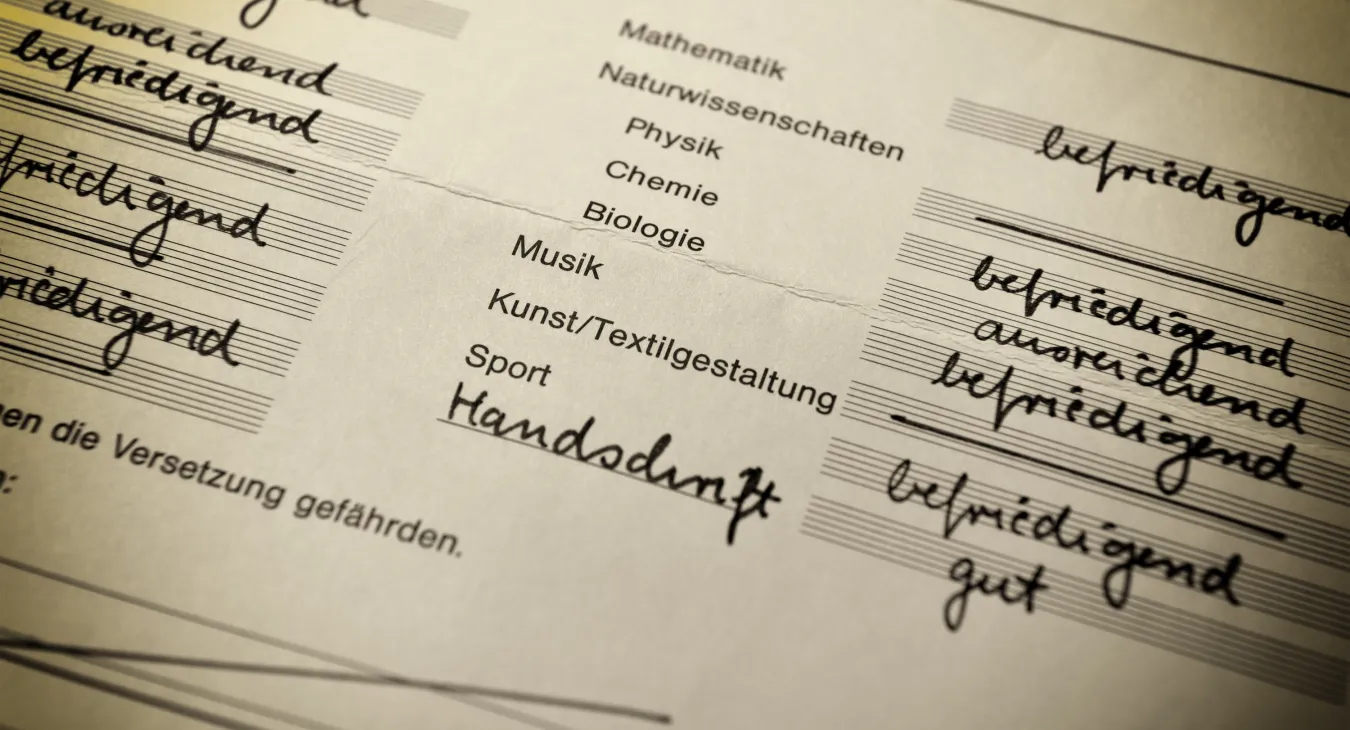
To which gender’s disadvantage are school grades biased – girls or boys? written by: Carolin Schuster
Fair enough? The inequality paradox, inequality awareness, and system justification written by: Carmen Cervone, Andrea Scatolon
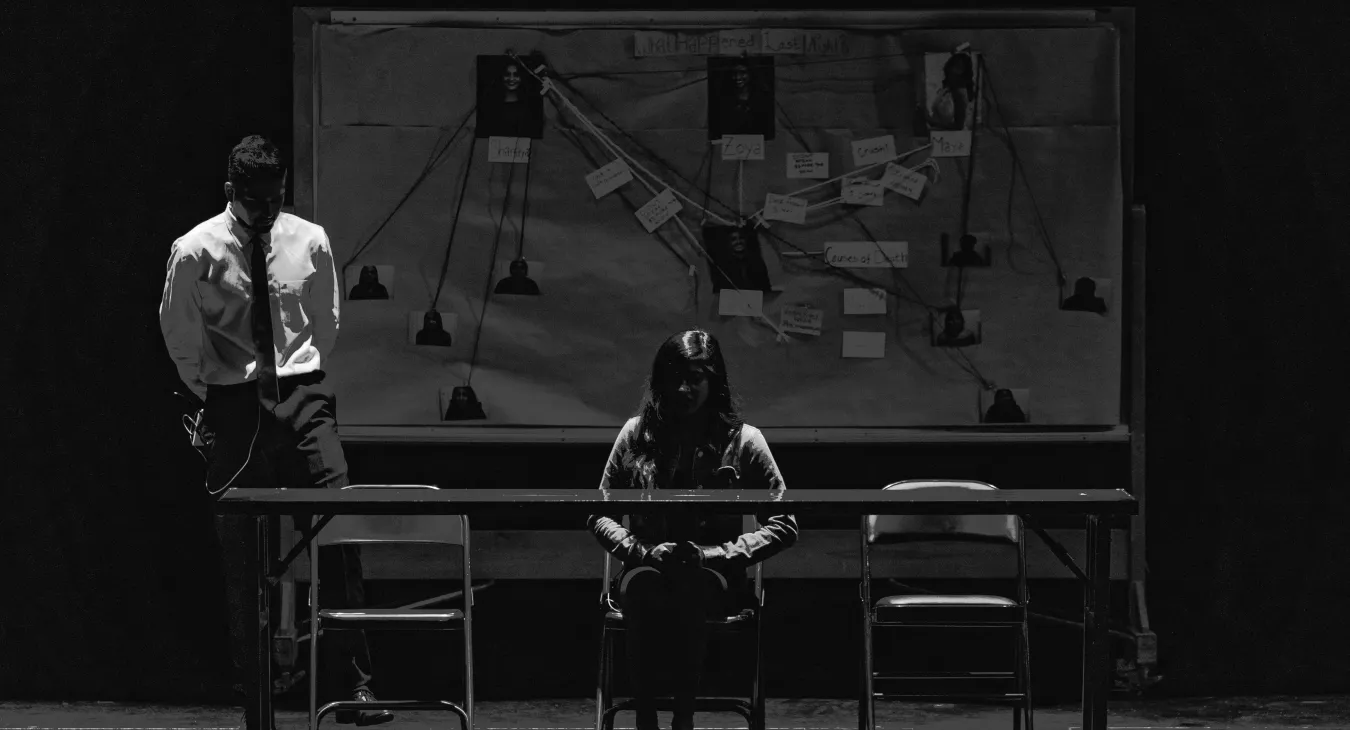
From Pervasive Beliefs To Wrongful Convictions written by: Enide Maegherman, Robert Horselenberg, Karl Ask, Peter J. Van Koppen
Refugees wel(l)come: The impact of social support on refugees’ well-being written by: Ina-Maria Döring
Social Machines: Social Aspects of Human-Computer Interaction written by: Flora Almosdi, Adrienn Ujhelyi
Understanding Online Child Sexual Abuse and How to Talk to Children About it written by: Malin Joleby, Carolina Lunde, Linda Jonsson
Risk assessment tools and criminal reoffending: Does bias determine who is “high risk”? written by: Jennifer Kamorowski, Maartje Schreuder, Corine de Ruiter, Marko Jelícic, Karl Ask
The Effect of Acute Stress on Memory: How It Helps and How It Hurts written by: Carey Marr, Melanie Sauerland, Henry Otgaar, Conny Quaedflieg, Lorraine Hope
Remembering what never occurred? Children’s false memories for repeated experiences written by: Bruna Calado, Henry Otgaar, Timothy J. Luke, Sara Landström
White lies and black lies: What they have in common and how they differ written by: Janina Steinmetz, Ann-Christin Posten
Fake Posttraumatic Stress Disorder (PTSD) Costs Real Money written by: Irena Boskovic, Harald Merckelbach
Improving the Disclosure of Information in an Investigative Interview: Rapport building and the Physical Environment written by: Katherine Hoogesteyn, Ewout Meijer, Aldert Vrij, Harald Merckelbach