  • INT
  • DE
  • FR
  • IT
  • NL

User account menu

  • Log in
Home
  • The Magazine
    • All Issues
    • Glossary
    • For Authors
    • Magazine Staff
  • Blog
    • All Blog Posts
    • For Authors
  • Book Reviews
    • Book Reviews
  • The Foundation
    • What is In-Mind?
    • Credits
  • Donate

Psychology for You!

  • Magazine Issue
    02/2026

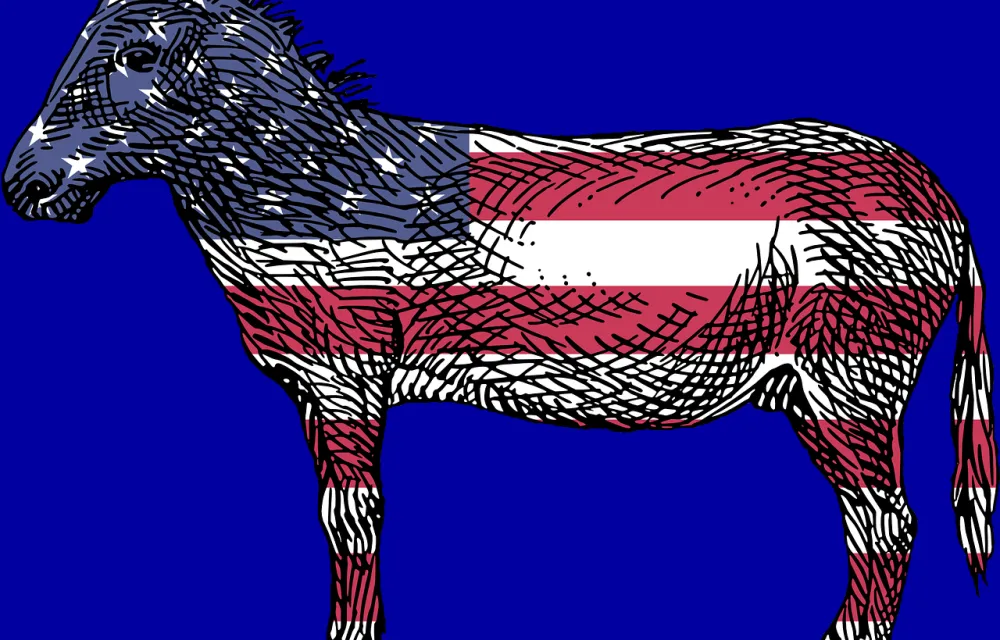
    A spoonful of misinformation helps the medicine go viral. How misinformation spreads and who bears the consequences.

    • written by
    • Lotte Slootmaekers,
    • Sanne Houben,
    • Irena Boskovic
    Back to January 2021: you are at home because of the COVID-19 pandemic and decide to scroll through social media for some much-needed distraction. Within seconds, you come across posts about microchips in vaccines, COVID spreading through 5G networks, and President Trump suggesting that injecting disinfectants could be a cure for COVID-19. Social media has become a hotbed of armchair experts, doom-mongers, and conspiracy theorists. You laugh off the misinformation easily, after all, nobody really believes this... Right?
    read more
    • Log in to post comments
  • Magazine Issue
    02/2026

    A step-by-step guide to writing science communication articles

    • written by
    • Maike Ramrath,
    • Stella Wernicke
    Effective science communication bridges the gap between science and society. This guide outlines practical strategies for turning psychological research into engaging, accessible articles, including topic selection, structuring the article, and responsible presentation of results.
    read more
    • Log in to post comments

  • Magazine Issue
    02/2026

    When loving hurts: The pervasiveness of stigma towards consensual non-monogamy

    • written by
    • Stefano Ciaffoni,
    • Yasin Koc,
    • Silvia Moscatelli
    Consensual non-monogamy is often seen as immoral, childish, or even harmful. This article reviews how stigma towards consensually non-monogamous relationships is widespread and socially shared, shaping judgments and discrimination against those who love outside monogamous norms.
    read more
    • Log in to post comments

  • Magazine Issue
    02/2026

    Scrolling through the past: How digital tools change the way we remember

    • written by
    • Kate Schramm,
    • Fabian Hutmacher
    We are constantly documenting our lives with digital technologies. But how do these tools, from smartphone camera rolls to wearables and social media platforms, change what and how we remember? In this article, we explore the interplay between memories stored in our minds and the available technological devices.
    read more
    • Log in to post comments

  • Magazine Issue 02/2026

    A spoonful of misinformation helps the medicine go viral. How misinformation spreads and who bears the consequences.

    written by: Lotte Slootmaekers, Sanne Houben, Irena Boskovic
  • Magazine Issue 02/2026

    A step-by-step guide to writing science communication articles

    written by: Maike Ramrath, Stella Wernicke
  • Magazine Issue 02/2026

    When loving hurts: The pervasiveness of stigma towards consensual non-monogamy

    written by: Stefano Ciaffoni, Yasin Koc, Silvia Moscatelli
  • Magazine Issue 02/2026

    Scrolling through the past: How digital tools change the way we remember

    written by: Kate Schramm, Fabian Hutmacher
  • Magazine Issue 01/2016

    What is c Factor, and Where Can I Get It?

    written by: Barbara Wood Roberts, Douglas E. Colman
    Meredith just landed her first job at a run-of-the-mill industrial design firm. As the newest member of an important project team, she began as an “average” member of the group... more
  • Magazine Issue 11/2015

    Can you nonbelieve it: What happens when you do not believe in your memories?

    written by: Jianqin Wang, Henry Otgaar, Mark Howe, Tom Smeets, Harald Merckelbach
    Human memory is susceptible to errors and distortions. This may sound cliché (Loftus, 2005), but the practical meaning of this is illustrated by, for example, the devastating effects of mistaken... more
  • Magazine Issue 11/2015

    Seeing and Believing: Common Courtroom Myths in Eyewitness Memory

    written by: Nina Tupper, Melanie Sauerland, Lorraine Hope, Harald Merckelbach
    When it comes to understanding eyewitness memory , people’s commonsense views are sometimes consistent with contemporary scientific knowledge – but sometimes they are dangerously adrift. This article aims to unravel... more
  • Magazine Issue 08/2015

    Experience in Action Games and the Effects on Executive Control

    written by: Tilo Strobach, Torsten Schubert
    Many people spend numerous hours a day playing video games. Furthermore, the video game industry is expanding as the number of its clients constantly increases. Surveys show that 58 %... more
  • Magazine Issue 08/2015

    Why do we so often ignore the influence of situations on behavior?

    written by: Joe Moran
    Situations matter ; they have an effect on us all, great or small. We are told we should walk a mile in someone else ’ s shoes, to “ look... more
  • Magazine Issue 08/2015

    Yielding to temptation: How and why some people are better at controlling themselves

    written by: Amir Ghoniem, Wilhelm Hofmann
    Have you ever found yourself eating a tempting chocolate cake, although you want to lose a few pounds? Have you ever found yourself watching television, although you planned to work... more
  • Load More Issues

In-Mind Blog

  • 20.02.2014 | Political Psychology

    Everyone is prejudiced, too

    written by: Jarret Crawford
    In this blog post, I will discuss new research in political psychology that is changing our understanding of what prejudice is, and who is prejudiced. When you think of victims... more
  • 12.02.2014 | Culture

    Re-thinking how we think about conformity

    written by: Robert Thomson
    In this post, I recount part of my journey into the nitty-gritty of cross-cultural differences in behavior. More specifically, I discuss the link between skateboarding across the USA, attractive Japanese... more
  • 06.02.2014 | Romance & Friendship

    Does parental disapproval lead to love or dissolution? The Romeo and Juliet effect vs. the social network effect

    written by: Chelsea Ellithorpe
    In this post, I assert that two opposing theories about how opinions friends and family hold affect one’s romantic relationship (Romeo and Juliet effect vs. social network effect) can actually... more
  • 29.01.2014 | Political Psychology

    Everyone is biased

    written by: Jarret Crawford
    My first blog post tells the story of my discovery of the conditions that reveal the political biases of liberals and conservatives. It’s also a story of coming to terms... more
  • 04.01.2014 | Big Questions in Society

    After Trayvon: The science of protecting innocent black men

    written by: Scott Sleek
    Even though the death of Trayvon Martin drew much public attention in the last year and a half, the shooting of an unarmed, innocent black male is in no way... more
  • 31.12.2014 | Big Questions in Society

    Why do we sometimes enjoy the misfortune of others?

    written by: Wilco van Dijk
    Have you ever been in a situation where you couldn’t resist a little smile when someone else had a setback? Have you ever experienced joy when another person suffered a... more
  • Load more blog posts

Book Reviews

Buried Secrets: Rememberance of Things Past, a Review by Christopher Perez

reviewed by: Christopher Perez

The Coddling of the American Mind, reviewed by Dylan Selterman

reviewed by: Dylan Selterman

My Year of Rest and Relaxation, reviewed by Andrew Archer

reviewed by: Andrew Archer

The Hope Circuit, Reviewed by Joe Smith

reviewed by: Joe Smith

Social Psychology: Revisiting the Classics (2nd Edition)

reviewed by: Richard Skaff

Most Read

  • Magazine Issue 01/2018

    Cooperation in social dilemmas: How can psychology help to meet climate change goals?

    written by: Rachel New, Julian Savulescu, Nadira S. Faber
  • Magazine Issue 08/2014

    Revisiting the past can make the present a better place: The psychological and social benefits of nostalgia

    written by: Clay Routledge
  • Magazine Issue 10/2007

    There’s Something About Zero

    written by: Clare Jonas
  • Magazine Issue 01/2012

    Honor in the Past: The Case of Mexico

    written by: Sonya Lipsett-Rivera
  • Magazine Issue 01/2025

    From moderate to radical - will failure change the climate movement? Psychological studies on the impact of success and failure on social movements

    written by: Johanna Kranz, Astrid Carrapatoso, Martin Schwichow

The Inquisitive Mind Magazine is supported by:

  • DGPs
  • C-SEB

Menu

  • The Magazine
  • Blog
  • Book Reviews
  • The Foundation
  • Donate
  • facebook
  • twitter
  • instagram
  • print

About Us

In-Mind is a voluntary science communication project. We enable scientifically working psychologists to present their research topics in a scientifically sound, understandable and entertaining way for an interested audience: Psychology by scientists for everyone....more

Footer menu

  • Imprint
  • Data Protection
Clear keys input element